The Best Side Dishes to Pair with Drunken Noodles
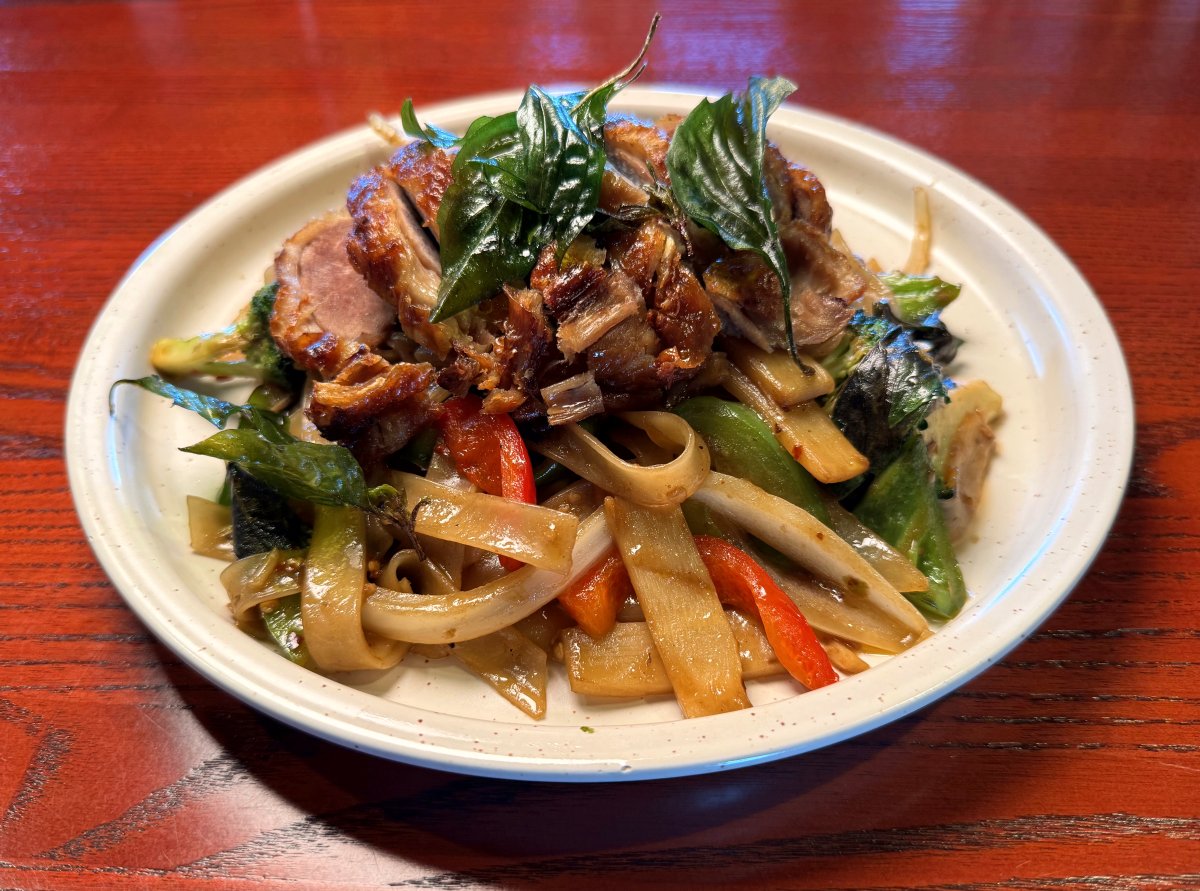
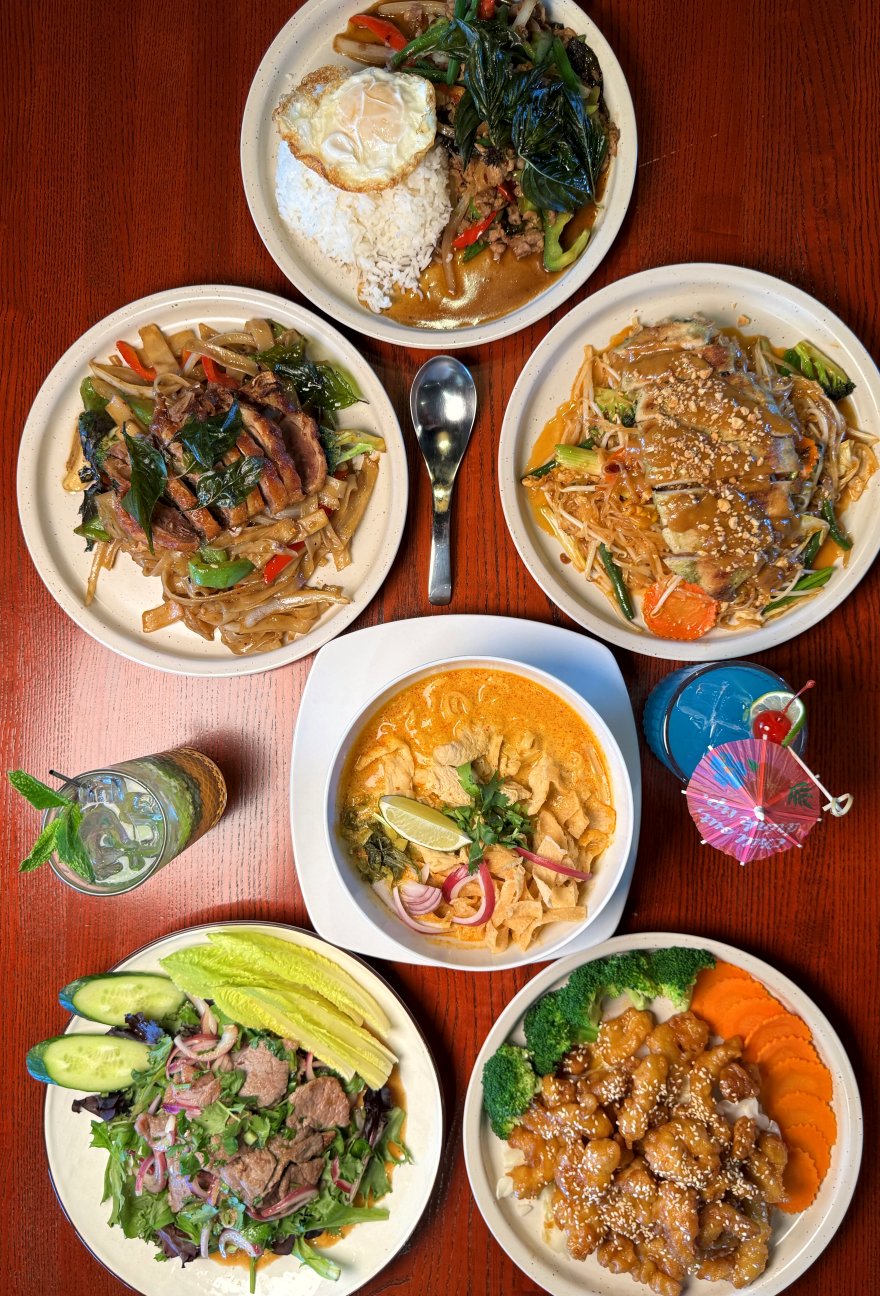
Drunken Noodles are one of those dishes that seem simple until they hit the table. Then you remember what makes them special. Wide rice noodles, glossy with sauce, basil pushing through the aroma, chilies landing with real force, and enough savory depth to make every bite feel heavy in the best possible way. It is a dish with momentum. It does not sit quietly on a plate.
That intensity is exactly why the side dish matters.
A weak side gets lost. A side that is too rich turns the meal into a slog. Something too sweet can flatten the spice, while something too sharp can clash with the basil and garlic. The best pairings do a very specific job. They cool, crunch, brighten, or reset your palate without stealing attention from the main event.
After cooking and ordering Drunken Noodles in every style from neighborhood Thai spots to more polished kitchens, I have learned that the best companions are rarely the most elaborate ones. The smartest sides understand the dish already has plenty going on. What it needs is support, not competition.
What Drunken Noodles ask from the rest of the meal
Before choosing side dishes, it helps to understand how Drunken Noodles behave on the palate. The dish usually carries four dominant traits at once: heat from fresh or dried chilies, sweetness from sauce, salt and umami from soy-based seasoning and often oyster sauce, and a soft, almost slippery texture from the rice https://sergiomlrb848.slatecurrent.com/posts/quick-and-easy-drunken-noodles-with-chicken-and-vegetables noodles themselves. Add protein, often chicken, beef, shrimp, or tofu, plus vegetables like bell pepper, onion, or baby corn, and the plate becomes substantial very quickly.
That combination means side dishes need to do at least one of three things well. They can provide contrast in texture, bring relief from spice, or clean up the finish between bites. The best ones often manage two jobs at once. Crisp cucumber salad cools and crunches. Fresh spring rolls lighten the meal and add herbs. A simple broth can calm the heat while keeping the dinner cohesive.
Where people go wrong is treating Drunken Noodles like a generic stir-fry. It is not. A standard heavy appetizer, especially anything deep-fried and sugary, can make the whole meal feel blunt. If you have ever paired Drunken Noodles with a rich fried side and found yourself slowing down halfway through, that is usually the reason. The noodles are already the anchor. The side should act more like a counterweight.
The side dishes that work best
If I were setting a table for Drunken Noodles and wanted pairings that almost always succeed, these are the ones I would reach for first:
- Cucumber salad with rice vinegar, sugar, and a little chili
- Fresh spring rolls with herbs and a light dipping sauce
- Papaya salad, especially a restrained, less fish-sauce-heavy version
- Clear vegetable or tofu soup
- Grilled or steamed vegetables with lime and a touch of salt
That list covers most situations, but each side works for a slightly different reason. The best choice depends on how spicy the noodles are, how rich the protein is, and whether the meal is lunch for two or a full dinner spread.
Cucumber salad is the easiest win
If there is one side dish I would call almost foolproof with Drunken Noodles, it is cucumber salad. Not the creamy deli version, and not anything overloaded with sesame oil. What you want is something crisp, cold, lightly sweet, and gently acidic.
A Thai-style cucumber salad usually lands in exactly the right place. Thin cucumber slices, a dressing built from rice vinegar, a little sugar, a pinch of salt, and sometimes sliced shallot or chili. Peanuts can work too, especially if they are used lightly. The cucumbers give the mouth a break from heat and sauce, and the acidity keeps each forkful of noodles tasting vivid instead of heavy.
I like this pairing most when the Drunken Noodles are extra spicy or made with beef. Beef brings more fat and chew to the dish, and cucumber cuts through that beautifully. For chicken or tofu versions, cucumber still works, but it feels less essential and more simply refreshing.
One practical note from experience: dress the cucumbers close to serving time. Ten minutes is fine. Thirty starts to soften them too much. With Drunken Noodles, texture matters, and limp cucumbers do not pull their weight.
Fresh spring rolls bring relief without making the meal feel repetitive
Fresh spring rolls, the kind wrapped in rice paper with herbs, lettuce, and perhaps shrimp or tofu, are one of the smartest companions to Drunken Noodles because they echo some of the same Southeast Asian flavors without mimicking the main dish. You still get herbs, freshness, and rice-based texture, but in a lighter, cooler form.
The key is restraint. A heavy peanut sauce can push the whole meal into richness overload, especially if the noodles are already sauce-forward. I prefer a thinner dipping sauce with lime, fish sauce, or a mild sweet chili profile. Enough flavor to keep the rolls interesting, not so much that the dip dominates the table.
Spring rolls are particularly useful when you are serving Drunken Noodles to guests who vary in spice tolerance. Some people want the noodles hot enough to sting. Others need a landing place. A fresh roll gives them that break without forcing you to make a timid batch of noodles.
There is also something quietly practical about this pairing. The noodles arrive hot and urgent. Fresh rolls can be made ahead, chilled briefly, and brought out at the same time. One dish carries warmth and spice, the other offers cool structure. Together they make dinner feel thought through.
Papaya salad can be brilliant, if you keep it in balance
Papaya salad and Drunken Noodles can make a fantastic pair, but this is where judgment matters. A full-throttle papaya salad with aggressive funk, high heat, and lots of dried shrimp can crowd the noodles instead of supporting them. When both dishes come in loud, there is no contrast left.
A lighter hand solves that. A papaya salad with bright lime, moderate chili, a little palm sugar, and just enough savory depth can sharpen the meal beautifully. The green papaya gives a firm, almost watery crunch that is a gift next to soft noodles. Tomatoes and long beans add more freshness, and the acidity wakes everything up.
I especially like this pairing when the noodles are on the sweeter side. Some restaurant versions of Drunken Noodles lean a bit too sugary, often to please a broad crowd. Papaya salad pulls them back into focus. It gives the meal backbone.
Still, I would not choose it every time. If the noodles are already very spicy and intensely seasoned, cucumber salad is safer. Papaya salad works best when the main dish leaves some room for another assertive voice.
Clear soups are underrated with spicy noodles
A lot of people think only in terms of salads and appetizers when pairing sides with noodles, but a simple clear soup can be one of the most satisfying choices on the table. Not a creamy coconut soup, and not a heavy curry. Something lighter. A vegetable broth with tofu, mushrooms, napa cabbage, or scallions is enough.
The reason this works is less obvious until you try it. Drunken Noodles are clingy. Their sauce coats the mouth. A spoonful of hot broth between bites resets everything without introducing a competing flavor profile. If the broth is seasoned gently, it can actually make the noodles taste more aromatic when you return to them.
This pairing is especially good in cooler weather, when a cold salad can feel a bit stark next to a steaming plate of noodles. It is also useful if the meal is dinner rather than a quick lunch. Soup rounds things out and makes the table feel complete.
One thing to avoid is overbuilding the soup. If it has too much garlic, too much chili, or too much sweetness, you lose the benefit. Think of it as a palate cleanser with warmth, not a co-star.
Grilled or steamed vegetables do more than fill space
Vegetables can sound like a default side, but when chosen well, they are one of the most elegant pairings for Drunken Noodles. The trick is to avoid preparing them in a way that turns them into another stir-fry.
Lightly steamed broccoli, Chinese broccoli, bok choy, or snap peas can work beautifully with a squeeze of lime and a touch of salt. Grilled vegetables, especially eggplant, asparagus, or mushrooms, also pair well if they are not drenched in oil. Their mild char gives the meal a little depth without adding heaviness.
This is often my choice when the noodles themselves are protein-heavy. Drunken Noodles with shrimp and vegetables can handle a fresh salad. Drunken Noodles with beef or pork often benefit from a plain vegetable side that keeps the meal from tipping too rich.
I have also found this pairing useful for home cooks who tend to make their noodle dishes more heavily sauced than restaurants do. At home, it is easy to be generous with oyster sauce, soy, and sugar. A plain vegetable side quietly corrects that without making the dinner feel austere.
Fried sides are tempting, but they need caution
It is easy to assume that because Thai restaurant menus often offer fried appetizers, those must be ideal with Drunken Noodles. Sometimes they are fine. Often they are not the best choice.
Fried spring rolls, crispy wontons, and fried tofu can all taste good on their own, but they tend to create a meal that feels too dry and too rich at once. The noodles already bring oil, sauce, and density. Add a crunchy fried side and you may get textural contrast, but not much relief. After a few bites, the meal starts to feel like work.
The one exception I make is lightly fried tofu with a very bright dipping sauce. Tofu can absorb flavor without dragging the meal down, and if the sauce is sharp enough, the pairing can stay balanced. Even then, portion matters. A few pieces are plenty. A large platter turns side dish into obstacle.
Restaurant menus can be misleading here because fried starters are built to sell well, not necessarily to pair perfectly. If your goal is the best eating experience rather than the most familiar order, fresher sides usually win.
Rice can make sense, but only in specific situations
Some diners like to order jasmine rice alongside Drunken Noodles, especially if they know the kitchen runs hot with spice. This can work, but it is not automatically the best choice. Because the noodle dish is already starch-heavy, rice can make the meal feel redundant.
Where rice helps is when the noodles are very salty or fiery, or when you are sharing several dishes family-style and need something neutral on the table. A few spoonfuls of plain rice can soften a powerful bite and help stretch the meal. It is more of a supporting utility than a true side dish in its own right.
If I am serving only Drunken Noodles and one side, I would rarely choose rice. If I am hosting and there are three or four dishes circulating, then a small bowl of rice becomes more defensible. Context matters.
Drinks and side dishes should work together
Though not technically side dishes, beverages affect which pairings feel right. If the table has Thai iced tea, cucumber salad becomes even more attractive because it keeps the meal from leaning too sweet. If you are serving sparkling water with lime, papaya salad can fit more comfortably because the drink helps scrub the palate. If beer is in the picture, grilled vegetables and fresh rolls often shine.
This may sound like overthinking, but it is the kind of small adjustment that separates a decent meal from a memorable one. Drunken Noodles have enough personality that everything around them changes the experience. A side dish never acts alone.
I learned this the hard way serving a dinner where the noodles were spicy, the papaya salad was equally aggressive, and the drinks were sweet cocktails. Every part of the meal was good in isolation. Together, it was exhausting. Since then, I aim for at least one calm element on the table.
Choosing the right side by version of Drunken Noodles
Not all Drunken Noodles are built the same, and side dishes should flex accordingly. A restaurant version heavy on soy, sugar, and oil needs acid and freshness. A home version packed with Thai basil and fresh chilies may need something cooling. A seafood version often welcomes crisp vegetables more readily than a beef version, which may prefer cucumber or broth.
Here is the logic I use in practice. If the noodles are spicy and saucy, reach for cold and crunchy. If they are rich and meaty, choose something bright and watery. If they are balanced but intense, a simple soup or steamed vegetable side keeps the focus where it belongs.
That judgment matters more than any one recipe. Good pairing is less about fixed rules and more about identifying what the plate lacks. Drunken Noodles usually do not lack flavor. They often lack contrast.
If you are serving guests, keep the side dish simple
For home entertaining, the best side dish is often the one that asks the least attention once the noodles come off the heat. Drunken Noodles cook fast, but they do not wait well. The noodles are best glossy, hot, and freshly tossed. That means your side should either be ready ahead of time or require almost no finishing.
When I plan this meal for a group, I use a short filter:
- Can it be made before the wok gets hot?
- Will it hold texture for at least 20 minutes?
- Does it cool, brighten, or lighten the noodles?
- Is the seasoning simpler than the main dish?
- Will it still make sense if the noodles come out spicier than expected?
That set of questions usually leads back to the same winners, cucumber salad, fresh rolls, simple vegetables, or light soup. None of them need babysitting at the exact moment the noodles are ready, and that matters. Timing is half the battle with stir-fried noodle dishes.
A few pairings that sound good but rarely deliver
Some combinations disappoint often enough that they are worth mentioning. Rich coconut curries alongside Drunken Noodles tend to overwhelm the palate. Very sweet sauces, including thick peanut sauces or syrupy chili dips, blur the savory edges that make the noodles satisfying. Dense dumplings can be too much starch on one table. Even something as innocent as garlic bread, which sneaks into fusion meals surprisingly often, usually feels completely out of step with the basil and chili profile.
Fruit can also go either way. A little pineapple or watermelon after the meal is lovely. On the same plate, it usually reads disjointed. Side dishes work best when they speak the same language as the noodles, even if they use a quieter voice.
The pairings worth returning to
After all the testing, all the restaurant orders, and all the home dinners where one side stole the show or failed to support the noodles, I keep coming back to the same idea: Drunken Noodles need contrast more than companionship. They are already complete in flavor. What they crave is relief, crunch, brightness, and a little breathing room.
That is why cucumber salad remains the safest recommendation. It is direct, inexpensive, and almost impossible to regret. Fresh spring rolls are the most graceful option when you want the meal to feel a bit more polished. Papaya salad can be superb when used carefully. Clear soup is the sleeper hit that deserves more love. Plain vegetables, steamed or grilled, do a better job than many flashier sides.
If you choose with balance in mind, Drunken Noodles become even more compelling. The heat tastes cleaner. The basil smells greener. The sauce seems less heavy and more layered. A good side dish does not distract from that. It lets you notice it more.
Nakhon Luang Thai Kitchen
Address: 805 Village Center Dr, Colorado Springs, CO 80919
Phone number: +17195315175
FAQ About Drunken Noodles
What makes it drunken noodles?
Drunken noodles, or Pad Kee Mao, get their name from the Thai word khi mao (meaning "drunkard"). They contain no alcohol. The name comes from the idea that the dish is a popular late-night meal to cure a hangover or a great food to eat with a cold beer.
What is the difference between pad see ew and drunken noodles?
While both Pad See Ew and Drunken Noodles use the same wide rice noodles, Pad See Ew is a mild, sweet-savory dish made with dark soy sauce and Chinese broccoli, whereas Drunken Noodles (Pad Kee Mao) are fiery, garlicky, and herbaceous with fresh chilies and Thai basil.
What are traditional drunken noodles?
Traditional drunken noodles, known as Pad Kee Mao in Thai, are a fiery, savory street food stir-fry made with wide flat rice noodles, fresh garlic, lots of hot chilies, meat or tofu, and fragrant holy basil. Despite the name, they contain no alcohol; the dish is traditionally eaten late at night or as a hangover cure because the intense spice helps clear the head.